Gastronomy and lifestyle
Traveling to France means stepping into a world where gastronomy and lifestyle are deeply intertwined with cultural identity. From the moment you enter a Parisian bistro to the careful selection of a morning croissant, every interaction follows unspoken codes that distinguish locals from visitors. Understanding these nuances transforms a simple meal into an authentic cultural experience and helps you navigate daily life with confidence.
French food culture extends far beyond what appears on the plate. It encompasses timing, etiquette, quality standards, and social rituals that have evolved over centuries. Similarly, lifestyle elements like fashion, art appreciation, and access to luxury experiences follow their own set of customs. This comprehensive resource explores the essential aspects of French gastronomy and lifestyle, providing you with the cultural keys to blend in, make informed choices, and fully appreciate the depth of French savoir-vivre.
Understanding French Dining Culture and Restaurant Etiquette
French restaurant culture operates on a fundamentally different rhythm than many other countries. Meals are social ceremonies with specific timing expectations. Lunch typically runs from noon to 2:00 PM, while dinner service rarely begins before 7:30 PM and often starts closer to 8:00 or 8:30 PM. Arriving outside these windows or expecting quick service can lead to frustration for both diners and staff.
Service norms in France prioritize discretion over constant attention. Your server won’t repeatedly check on your table or rush you through courses. This isn’t neglect—it’s respect for your privacy and dining experience. When you need something, making eye contact or a subtle hand gesture is more effective than trying to verbally hail staff across the room. The bill will never arrive until explicitly requested, as presenting it unsolicited implies you’re being asked to leave.
The Water Menu and Beverage Expectations
When you sit down, you’ll likely be asked if you want water—but the question refers to bottled water (still or sparkling), which comes at a cost. Requesting “une carafe d’eau” gets you free tap water, which is perfectly safe and legally must be provided. Understanding this distinction prevents surprise charges and helps you navigate beverage choices confidently.
Tipping Practices and Service Charges
Service is legally included in French restaurant bills (usually 15%), indicated by “service compris” on the menu. Additional tipping isn’t mandatory, though leaving small change (1-2 euros for casual meals, 5-10 euros for upscale dining) is appreciated for exceptional service. The absence of tip pressure removes transactional tension from the dining experience, allowing service to function as hospitality rather than performance for gratuity.
Identifying Quality: The Fait Maison Label
Since regulations were introduced requiring transparency about food preparation, restaurants using fresh, on-site prepared ingredients can display the “Fait Maison” (homemade) label next to menu items. This symbol—a small house icon—helps diners distinguish between restaurants cooking from scratch and those reheating industrial preparations, a significant quality indicator in a market where both exist at similar price points.
Mastering the Art of French Bakeries and Pastries
The French boulangerie represents a daily ritual rather than an occasional treat. Quality standards are protected by law: establishments calling themselves “boulangerie” must produce bread on-site from raw dough. This regulation maintains craft standards and helps travelers identify authentic artisans versus reheating operations.
Timing your bakery visit dramatically affects what you’ll find. Morning visits (7:00-9:00 AM) offer the full selection of breakfast pastries like croissants and pains au chocolat, ideally still warm. For bread, arriving around 11:00 AM or 5:00 PM coincides with fresh batches emerging from the oven. Many popular items sell out by late afternoon, making early visits strategic for the best selection.
Distinguishing Quality Visually
Quality croissants reveal themselves through specific visual cues: irregular honeycomb interior structure, visible butter layers, and a deep golden color rather than pale yellow. The pastry should feel light relative to its size and shatter slightly when compressed. For baguettes, look for an uneven, blistered crust with flour dusting, irregular holes in the crumb, and a faint tang to the aroma—signs of proper fermentation rather than rushed production.
Pairing Coffee and Pastry Like a Local
The classic pairing is simple: café and croissant consumed at the bar (cheaper than table service) in the morning. French coffee culture differs from international café culture—cappuccinos are morning drinks only, and ordering one after lunch marks you as a tourist. Un café (espresso), café crème (morning only), or noisette (espresso with dash of milk) represent standard choices throughout the day.
Wine Culture: From Natural Wines to Bistro Pairings
French wine culture has diversified significantly in recent years, with natural wine emerging as a major movement, particularly in Paris. These wines—made with minimal intervention, often without added sulfites—represent a philosophical approach to winemaking that prioritizes terroir expression over standardized taste profiles.
Natural wines often present taste profiles that challenge conventional expectations: cloudiness, slight effervescence in still wines, funky aromas ranging from barnyard to fermented fruit, and acidity that cuts sharply. These characteristics aren’t flaws but intentional expressions of the natural winemaking process. Dedicated wine bars specializing in natural selections have become cultural institutions where experimentation is encouraged.
Identifying and Storing Fragile Bottles
Without sulfite preservatives acting as stabilizers, natural wines are more vulnerable to temperature fluctuations and oxidation. Labels reading “sans sulfites ajoutés” (no added sulfites) or “vin naturel” signal these fragile products. Once opened, they deteriorate faster than conventional wines. For travelers, this means consuming purchases relatively quickly or investing in proper storage during transport—temperature-controlled luggage or shipping services for valuable bottles.
Pairing Food with Unconventional Wines
Natural wines’ acidity and funkiness actually complement rich, fatty foods exceptionally well. Charcuterie, aged cheeses, and fermented foods create harmonious pairings. Modern bistros often feature natural wine lists curated to match their menus, with staff trained to guide diners through unexpected but successful combinations. Don’t hesitate to ask for recommendations—sommeliers at natural wine establishments expect questions and enjoy educating curious drinkers.
Cheese, Markets, and Artisanal Food Traditions
France produces over 400 distinct cheese varieties, and cheese culture involves rituals, etiquette, and selection skills that locals develop from childhood. A proper French meal traditionally includes a cheese course served after the main dish but before dessert, allowing the red wine from the main course to continue flowing.
Cheese course etiquette follows specific principles: serve three to five varieties representing different milk types (cow, goat, sheep) and textures (soft, semi-hard, hard, blue). Arrange them on the board from mildest to strongest, and consume them in that order to avoid overwhelming your palate. Cut each cheese according to its shape—wedges get triangular slices maintaining the rind ratio, rounds get cut like pie slices.
Locating Quality Fromageries
The best cheese shops employ fromagers—trained cheese professionals who age and care for their selections in controlled caves. These specialists can explain origin, production methods, current ripeness, and optimal consumption timing. Quality fromageries display whole cheeses that are cut to order rather than pre-wrapped portions, allow tasting before purchase, and adjust recommendations based on when you plan to consume the cheese.
Transport and Gift-Buying Logistics
Soft, pungent cheeses present transport challenges due to odor and temperature sensitivity. Request vacuum sealing for air travel, pack cheeses in checked luggage (never carry-on for strong varieties), and consume within days of purchase. For gifts, hard aged cheeses like Comté or Mimolette travel better than runny Camembert. Authentication labels like AOP (Appellation d’Origine Protégée) guarantee traditional production methods and regional origin, ensuring genuine rather than industrial imitations.
Navigating Fine Dining and Modern Bistros
French fine dining ranges from traditional gastronomy temples to innovative modern bistros, each with distinct expectations and value propositions. Understanding the differences helps you choose appropriate venues and navigate them successfully.
Star-rated restaurants (Michelin stars being the most recognized system) require advance booking—sometimes months ahead for sought-after establishments. Dress codes lean formal, though they’ve relaxed somewhat in recent years. A lunch menu hack offers exceptional value: many prestigious restaurants offer prix-fixe lunch menus at a fraction of dinner prices, featuring similar quality and technique in a slightly simplified format.
The Menu Unique Phenomenon
Some acclaimed restaurants offer only a “menu unique”—a single tasting menu with no à la carte options. This format allows chefs maximum creative control and kitchen efficiency, but means dietary restrictions require advance notification. These menus showcase the chef’s current vision and seasonal ingredients, representing their highest expression of culinary artistry.
Portion Sizes and Multiple Courses
Fine dining portions deliberately appear small because meals span multiple courses—often five to twelve. Each portion is calibrated to allow guests to finish the entire progression without overwhelming fullness. First-time diners often worry about leaving hungry, but the cumulative effect of numerous courses provides satisfaction through variety rather than volume.
Booking Via Apps and Digital Platforms
Restaurant reservation platforms have modernized access to popular establishments, though calling directly sometimes yields better results for special requests. Apps show real-time availability but may not display every table—restaurants often reserve capacity for regular clients and walk-ins. For highly competitive reservations, checking platforms exactly when they release new dates (often 30-90 days in advance) maximizes your chances.
Blending In: Fashion and Cultural Codes
French lifestyle extends beyond gastronomy into daily presentation and social codes. While food culture welcomes enthusiastic learners, fashion missteps immediately signal outsider status. The French approach to style prioritizes understated elegance over obvious branding or athletic wear in urban contexts.
The infamous “shorts rule” isn’t written but widely observed: adult men rarely wear shorts in Parisian settings outside of athletic activities or extreme heat. Women have more flexibility, but athleisure worn as daywear (yoga pants, running shoes paired with casual clothes) remains distinctly American. Parisians exercise in athletic wear, then change—they don’t run errands in gym clothes.
Essential Style Elements
- Walking shoes: Stylish but comfortable footwear is essential for cobblestones and extensive walking—think leather sneakers, loafers, or ankle boots rather than chunky athletic shoes
- Scarves: Mastering the casual drape or simple knot adds polish; overly structured arrangements look costume-like
- Color palette: Neutrals (black, navy, gray, cream) dominate with accent colors used sparingly
- Grooming: Well-maintained but natural-looking—minimal makeup for women, neat facial hair for men, styled but not overly product-heavy hair
Accessible Luxury and Cultural Experiences
Luxury experiences in France aren’t exclusively for the ultra-wealthy. Strategic choices allow travelers to access prestigious environments and cultural institutions at approachable price points.
Palace hotels open their facilities beyond overnight guests. Booking afternoon tea at establishments like Le Meurice or Plaza Athénée grants access to spectacular interiors and service standards for the price of a nice meal. Similarly, hotel bars welcome non-guests for cocktails, offering a taste of luxury hospitality without accommodation costs. Minimum spend policies exist but typically amount to one or two well-made drinks per person.
Art and Gallery Culture
Gallery openings (vernissages) are often public events offering free wine, conversation with artists, and no purchase pressure. Young galleries in emerging neighborhoods showcase affordable works from up-and-coming artists—purchasing original art for hundreds rather than thousands of euros is entirely feasible. Gallery staff expect questions about artists, techniques, and pricing; engaging genuinely signals serious interest rather than tiresome obligation.
Strategic Cultural Access
Many museums offer free admission on first Sundays or late evenings. Spa access at luxury hotels sometimes permits day passes without overnight stays. Theater and opera houses release discounted last-minute tickets. These opportunities require flexibility and research, but they democratize experiences typically assumed to require significant wealth.
Mastering French gastronomy and lifestyle ultimately means embracing quality over quantity, tradition with evolution, and cultural codes that reward understanding over wealth. These skills transform you from tourist to informed visitor, capable of navigating France’s rich cultural landscape with confidence and genuine appreciation.

How to Enjoy the Ritz or Crillon Atmosphere Without Booking a Room?
Experiencing the magic of Paris’s Palace hotels like the Ritz or Crillon without a room key is less about budget…
Read more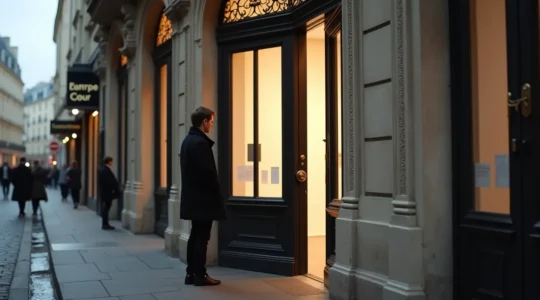
How to Enter a Marais Gallery Without Feeling Intimidated by the Bell?
Contrary to popular belief, the exclusive Parisian art world is not a closed club; it’s a conversation you’re invited to…
Read more
How to Dress “Parisian Chic” to Avoid Looking Like a Tourist?
The secret to Parisian chic isn’t a checklist of items; it’s a strategic mindset that prioritizes context, function, and effortless…
Read more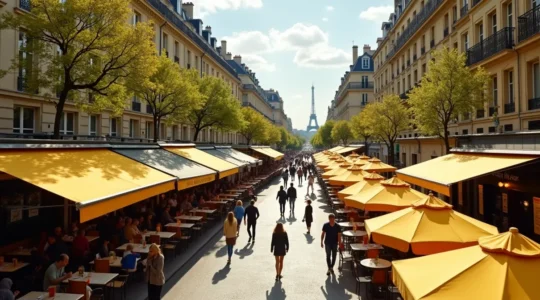
The Culinary Anchor: How to Architect Your Paris Walk to Arrive at the Perfect Bistro at Noon
The secret to a perfect Paris day isn’t where you go, but when you eat; true itinerary architects build their…
Read more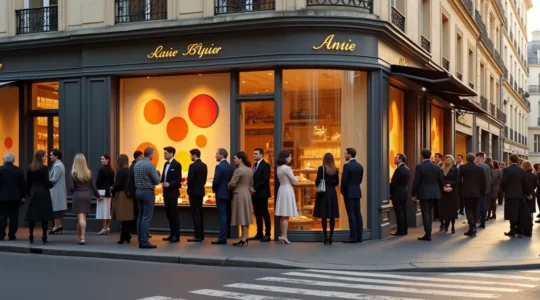
Is the 2-Hour Queue for Cédric Grolet’s Fruits Really Worth the Taste?
The Cédric Grolet phenomenon is less about a single pastry and more about a masterclass in luxury marketing, manufactured scarcity,…
Read more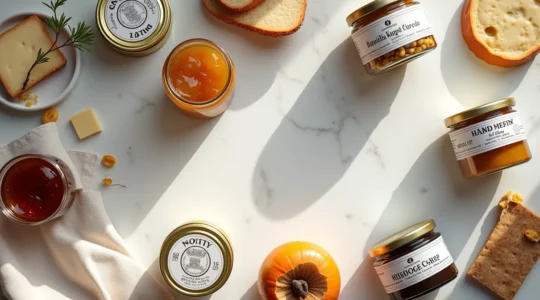
Navigating French Food Souvenirs: From Foie Gras in Carry-Ons to Artisanal Authenticity
Successfully bringing French food souvenirs home is less about security rules and more about identifying authentic, travel-durable products. Look for…
Read more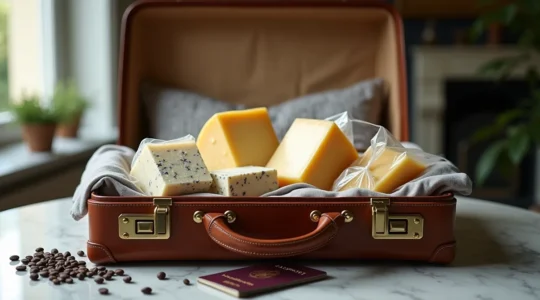
How to Bring Artisanal French Cheese Home: A Guide to Navigating U.S. Customs
Successfully bringing artisanal cheese through U.S. customs is not a gamble; it’s a precise logistical operation based on selection, professional…
Read more
How to Select a Natural Wine in a Parisian Cave Without Tasting Like Cider?
The secret to enjoying natural wine as a classic drinker is not to abandon your palate, but to learn a…
Read more
How to Find Authentic French Food in Paris (and Avoid the Tourist Traps)
The secret to avoiding tourist-trap food in France isn’t about avoiding certain streets; it’s about learning to read the hidden…
Read more
How to Experience a 3-Star Michelin Restaurant Without Going Bankrupt
The secret to affordable Michelin dining in France isn’t just finding discounts; it’s about strategically hacking the system to gain…
Read more