Neighborhoods and atmospheres
Paris reveals itself not as a monolithic city, but as a mosaic of distinct neighborhoods, each carrying its own temperament, historical memory, and daily rhythm. Understanding these atmospheric variations transforms a visit from a checklist of monuments into an immersive cultural experience. The character of a Parisian quartier emerges from layers accumulated over centuries: architectural constraints from Haussmannian planning, religious heritage still actively practiced, literary traditions embedded in café walls, and contemporary dynamics of gentrification and cultural renewal.
For travelers seeking to move beyond surface-level tourism, grasping neighborhood atmospheres means recognizing how Parisians themselves navigate their city. It involves understanding why certain streets empty after sunset while others pulse with nightlife, how religious spaces function as both monuments and living worship centers, where to find authentic local markets versus tourist traps, and how historic administrative boundaries still shape modern urban life. This knowledge allows you to position yourself intentionally within the city’s complex geography, choosing accommodations, dining, and exploration strategies that align with your priorities and comfort level.
The following exploration examines the practical, cultural, spiritual, and social dimensions that define Parisian neighborhood character, providing the foundational knowledge needed to navigate the city with confidence and cultural sensitivity.
Living Practicalities in Central Arrondissements
The heart of Paris—particularly the first four arrondissements—presents unique challenges and advantages for those seeking to experience the city as temporary residents rather than transient visitors. These central districts exemplify the tension between historic preservation and contemporary living standards.
Accommodation and Daily Logistics
Older buildings in central Paris frequently lack elevators, with many structures predating the widespread adoption of lift technology. Properties in the Marais or around Île de la Cité often feature narrow staircases ascending five or six floors. While this architectural reality creates atmospheric charm, it demands practical consideration when booking accommodation—particularly for travelers with mobility constraints or heavy luggage. The absence of modern amenities reflects heritage protection regulations that prioritize historical integrity over retrofitting convenience.
Daily life in these neighborhoods revolves around traditional commerce patterns. Small specialty shops—the fromagerie, boulangerie, primeur—operate on schedules and customs distinct from supermarket culture. Markets like those on Rue Montorgueil or Rue Mouffetard function as social spaces where purchasing rhythms follow unwritten etiquette: greeting the vendor, allowing them to select produce, engaging in brief conversation. This ritual grocery shopping experience immerses you in local life but requires patience and basic French courtesies.
Navigating Urban Constraints
Central Paris operates under increasingly strict traffic restrictions, with many areas designated as low-emission zones (ZTL in some European contexts, though Paris uses “ZFE” – Zone à Faibles Émissions). Understanding these regulations matters for anyone considering rental vehicles or planning taxi routes. Certain streets restrict access during specific hours, while others have become entirely pedestrianized. The city implements car-free days in select districts, temporarily transforming traffic arteries into pedestrian promenades.
Noise levels vary dramatically between central streets. Major thoroughfares like Rue de Rivoli experience sustained traffic flow and tourist activity from dawn until late evening. By contrast, residential pockets in the northern Marais or quieter sections of the Latin Quarter maintain surprising tranquility. When selecting accommodation, researching the specific street’s character—not just the arrondissement—prevents unpleasant surprises. Courtyard-facing rooms in older buildings often provide sanctuary from street noise while maintaining central locations.
Religious and Spiritual Layers of the City
Paris’s religious heritage extends far beyond Notre-Dame’s famous façade. The city contains hundreds of sacred spaces—churches, synagogues, mosques, temples—many of which maintain active worship communities while simultaneously functioning as architectural monuments. This dual nature requires visitors to approach these sites with particular sensitivity.
Sacred Spaces Beyond Tourism
Hidden chapels tucked into courtyards or side streets offer profound experiences for those willing to explore beyond major monuments. The Chapelle Notre-Dame de la Médaille Miraculeuse in the 7th arrondissement receives pilgrims daily yet remains relatively unknown to general tourists. Saint-Julien-le-Pauvre, one of Paris’s oldest churches, hosts Greek Catholic services while maintaining its medieval atmosphere. These spaces welcome respectful visitors but expect appropriate behavior: modest dress, silence during services, photography restrictions, and awareness that you’re entering functional religious spaces, not museums.
Many churches offer historic musical services—organ recitals, choral vespers, classical concerts—that provide cultural experiences within their original liturgical context. Saint-Eustache, Saint-Sulpice, and Sainte-Chapelle regularly host performances where sacred music resonates through spaces designed for acoustic magnificence. Attending these events requires understanding the difference between concert attendance and worship participation, respecting the sacred context even when experiencing it aesthetically.
Finding Tranquility and Contemplation
Beyond Christian heritage, Paris’s religious diversity manifests in the Grande Mosquée de Paris with its mint tea garden, the Pletzl synagogues of the Marais, and Buddhist temples in the 13th arrondissement. Each contributes to neighborhood character and offers insights into the city’s multicultural composition. The mosque’s hammam and courtyard provide peaceful retreats, while the Jewish quarter’s kosher bakeries and bookshops create distinct commercial rhythms observing Shabbat closures.
For travelers seeking silence within urban density, certain churches deliberately maintain contemplative atmospheres. Saint-Gervais-Saint-Protais hosts the Jerusalem Community, whose Gregorian chant services create islands of stillness. Small chapels like Saint-Séverin open their doors for quiet reflection throughout the day. Understanding which spaces welcome meditative visiting versus those prioritizing tourist throughput helps you find genuine tranquility.
Literary, Intellectual and Cinematic Soul
Paris’s reputation as a literary capital isn’t merely historical nostalgia—it remains embedded in specific neighborhoods through cafés, bookshops, university districts, and cinema culture. The Left Bank particularly embodies this intellectual heritage, though gentrification has transformed many formerly bohemian spaces into upscale destinations.
Historic cafés like Les Deux Magots or Café de Flore trade heavily on their literary associations—Sartre, de Beauvoir, Camus—but contemporary prices reflect tourist appeal more than intellectual gathering. For authentic café culture, seek smaller establishments in the Odéon district or near universities, where students still occupy tables for hours over single coffees, engaged in animated discussion or solitary reading. The ritual of café sitting—claiming a table, ordering deliberately, lingering without pressure to vacate—remains central to Parisian intellectual life when practiced in neighborhood spots rather than famous landmarks.
Independent bookshops persist throughout the city, offering refuges for bibliophiles. Shakespeare and Company attracts crowds, but quieter alternatives like L’Écume des Pages or La Hune provide browsing experiences without tourist throngs. The bouquinistes along the Seine—green boxes of secondhand books, prints, and ephemera—create a unique browsing culture, though quality varies dramatically between vendors genuinely passionate about books and those selling tourist trinkets.
University heritage shapes neighborhood character around the Sorbonne, Collège de France, and specialized institutions. Student populations create affordable dining options, late-night cafés, and political poster culture absent from purely residential or tourist districts. Cinema culture thrives in the Latin Quarter’s art house theaters—the Champo, Reflet Médicis, Christine 21—where original-language films and retrospectives attract cinephiles. Literary walking trails, whether following Hemingway’s haunts or tracing locations from novels, overlay fictional and biographical narratives onto physical streets, creating palimpsest experiences of real and imagined Paris.
Alternative Culture and Contemporary Rhythms
Beyond postcard Paris exists a thriving alternative cultural scene—street art, occupied artist spaces, emerging food trends, and nightlife that reflects contemporary urban realities rather than historical tourism.
Nightlife and Social Rituals
Understanding Parisian nightlife requires grasping the apéro culture—pre-dinner drinking along canal banks, particularly the Canal Saint-Martin and Bassin de la Villette. This informal social ritual sees locals gathering with supermarket wine and snacks, creating impromptu communities on stone edges and park benches. It represents accessible, egalitarian socializing distinct from expensive bar culture. However, these areas experience safety variations: while generally secure during early evening hours, awareness of surroundings becomes important as crowds thin and alcohol consumption progresses.
Nightlife safety in Paris follows neighborhood patterns. Well-lit, populated areas like the Marais or Oberkampf district maintain active street life until late hours, creating natural surveillance. More isolated streets or parks require greater caution, particularly for solo travelers. The city’s extensive night bus network (Noctilien) provides alternatives to expensive taxi rides or deserted métro stations after the subway closes around 1:15 AM on weekdays.
Emerging Food and Art Scenes
Street food culture has evolved dramatically in recent years, moving beyond traditional crêpe stands to include international influences. Food trucks, pop-up markets, and casual eateries in formerly industrial districts offer alternatives to formal restaurant dining. The Marché des Enfants Rouges—Paris’s oldest covered market—hosts diverse food stalls where locals lunch on Moroccan, Japanese, or Caribbean cuisine at communal tables.
Vintage shopping concentrations in the northern Marais, Abbesses area of Montmartre, and scattered throughout the 11th arrondissement cater to secondhand fashion culture. These shops range from curated boutiques with designer pieces to chaotic fripperies requiring patient excavation. Understanding the difference prevents pricing disappointments and aligns expectations with inventory quality.
Artist squats and studios—while less accessible than commercial galleries—occasionally open for organized visits or exhibitions. Collectives in Belleville or former industrial spaces in the 19th and 20th arrondissements showcase contemporary creation outside institutional frameworks. These spaces often operate informally, with access requiring local knowledge or French-language event listings.
Village-Like Pockets and Hidden Corners
Despite urban density, Paris preserves numerous village-like enclaves where narrow streets, local shops, and residential calm create distinct atmospheres. Butte-aux-Cailles in the 13th arrondissement maintains a neighborhood feel with independent restaurants and street art. La Mouzaïa’s cobblestone alleys and cottage-style houses seem transported from provincial France. The Cité Florale’s flower-named streets offer quiet residential beauty.
These areas exemplify the ongoing gentrification mix—formerly working-class neighborhoods experiencing artistic influx, rising property values, and demographic transformation. Understanding this dynamic provides context for neighborhood character: why certain streets juxtapose traditional hardware shops with design boutiques, or why Sunday morning atmospheres differ dramatically from weeknight evenings when newer residents are absent.
Panoramic park views from Parc de Belleville, Buttes-Chaumont, or Parc de la Villette offer perspectives on the city’s geography, helping orient yourself within the arrondissement system while providing green respite. Historic cemeteries—Père Lachaise, Montparnasse, Montmartre—function as peaceful parks where Parisians jog, read, and picnic among monumental tombs, demonstrating how death and daily life coexist without the separation typical of other cultures.
Asian culinary hubs in the 13th arrondissement (Chinatown) and around Rue Sainte-Anne (Japanese concentration) create ethnic enclaves with specialized grocery stores, authentic restaurants, and cultural centers. These neighborhoods offer genuinely multicultural Paris experiences beyond the postcard aesthetic.
Historic Legal and Administrative Heart
The Île de la Cité contains Paris’s administrative and legal core, where medieval justice buildings continue functioning in their original capacities. The Conciergerie—former royal palace turned revolutionary prison—requires navigating entrance procedures and queues, particularly during high season. The adjacent Palais de Justice remains an active courthouse where contemporary trials proceed in historic halls.
Sainte-Chapelle’s stunning stained glass attracts massive tourist interest, creating queue management challenges. Understanding optimal visiting times—early morning or late afternoon, avoiding cruise ship schedules—dramatically improves the experience. The chapel’s original function as a royal reliquary explains its architectural extravagance within the judicial complex.
The Marché aux Fleurs—flower market—adds commercial vitality to the island, with Sunday bird market tradition persisting. These spaces demonstrate how historic centers maintain living functions beyond museum status. Residential quietness persists in certain island corners despite tourist density, with local inhabitants navigating the daily invasion through practiced routines and timing.
Point Zéro—the bronze marker from which all French road distances are measured—sits in front of Notre-Dame, symbolizing Paris’s role as the nation’s reference point. This small monument embodies how administrative centralization shapes French geography and identity.
Shopping Culture: From Luxury to Scams
Parisian shopping culture encompasses extremes from haute couture flagship stores to tourist-targeting scams, requiring awareness and strategic navigation.
Understanding Parisian Retail Traditions
Luxury shopping concentrates in specific districts: Avenue Montaigne and Rue du Faubourg Saint-Honoré for haute couture, Place Vendôme for jewelry and watchmaking, Galeries Lafayette and Printemps for department store grandeur. These areas offer window shopping as free entertainment—the historical architecture and window displays constitute cultural experiences independent of purchasing capacity.
Certain luxury brands—particularly Hermès—require appointments for accessing specific products or services, reflecting exclusivity mechanisms that prioritize existing clients. Understanding these systems prevents disappointment and clarifies that luxury retail operates on relationship-based access, not democratic availability.
Car-free days occasionally transform shopping districts into pedestrian zones, creating different browsing atmospheres. Historic arcades—Galerie Vivienne, Passage des Panoramas—offer covered shopping experiences where 19th-century commercial architecture frames contemporary boutiques. The Column at Place Vendôme represents Napoleon’s military victories, contextualizing the square’s imperial grandeur.
Christmas shopping traditions transform neighborhoods with window displays, seasonal markets, and extended hours. The Chopin connection at Place Vendôme references the composer’s death at number 12, adding cultural layering to commercial space.
Consumer Awareness and Safety
Restaurant scams cluster in tourist-heavy areas: unseasonably priced menus near major monuments, aggressive touts pulling tourists into mediocre establishments, misleading prix fixe presentations. Avoiding these requires basic vigilance: checking prices before ordering, refusing touted restaurants, seeking establishments where locals outnumber tourists, verifying bills before payment.
Flagship stores attract pickpocket operations, with crowded luxury retailers providing ideal conditions for theft. Maintaining awareness in Galeries Lafayette or around Champs-Élysées boutiques prevents opportunistic crime. Photography safety matters in crowded shopping areas where valuable cameras and phones become targets.
Identifying exclusive or limited items requires understanding that Parisian luxury culture values rarity and craftsmanship. Watchmaking traditions, artisanal leather goods, and haute couture pieces represent genuine specialization unavailable elsewhere, justifying premium pricing through quality and heritage rather than mere branding.
Power, Politics and Haute Couture
The 8th arrondissement concentrates political power and luxury fashion in close proximity—the Élysée Palace, ministerial buildings, embassy row, and haute couture houses create a neighborhood where governmental authority and cultural prestige intertwine.
Spotting the President requires understanding that the Élysée Palace itself remains closed except for annual Heritage Days (Journées du Patrimoine) in September, when normally restricted governmental buildings open for public visits. These events offer rare access to power centers, requiring early queuing but providing extraordinary architectural and historical experiences.
Diplomatic dining concentrations around the Champs-Élysées and Faubourg Saint-Honoré create restaurant scenes where international officials, fashion executives, and wealthy residents overlap. These establishments maintain formal service standards, dress expectations, and pricing reflecting their clientele. The atmosphere differs dramatically from casual neighborhood bistros—more theater of status than gastronomic experimentation.
Resale shops in this district—depôt-vente boutiques—offer secondhand access to luxury fashion at reduced prices, catering to those seeking designer labels without flagship store costs. Understanding how these consignment systems work, their pricing relative to original retail, and their seasonal turnover helps navigate this alternative luxury market.
The concentration of power, politics, and fashion in this single district creates a neighborhood atmosphere of polished formality, where public behavior, dress, and social performance differ from bohemian Left Bank informality or working-class northeastern neighborhoods. Recognizing these atmospheric variations allows you to calibrate your own presentation and expectations appropriately.
Ultimately, understanding Parisian neighborhood character requires recognizing that the city’s geography encodes centuries of social, political, religious, and cultural history. Each district’s atmosphere emerges from layered functions—residential patterns, commercial traditions, architectural constraints, demographic shifts, and symbolic significance. By approaching neighborhoods with historical awareness and cultural sensitivity, you move beyond superficial tourism into nuanced engagement with one of the world’s most complex urban landscapes.
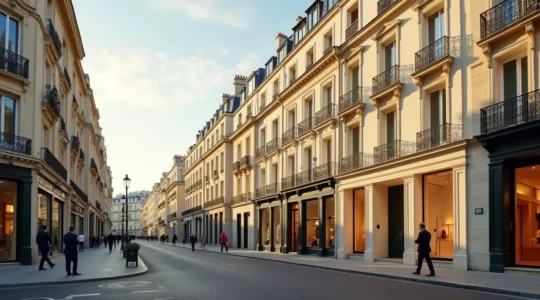
How to Navigate the High Security of the Faubourg Without Stress?
Navigating the Faubourg Saint-Honoré isn’t about avoiding the police presence; it’s about mastering the unwritten rules that govern this unique…
Read more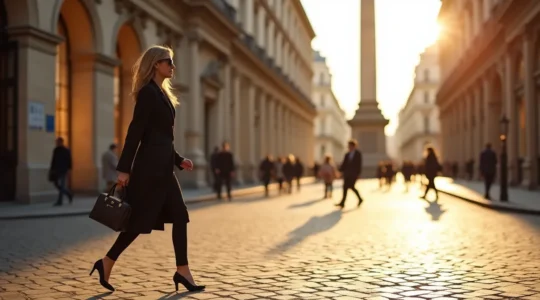
How to Walk Through Place Vendôme Like You Belong There?
Feeling like an outsider at Place Vendôme isn’t about your budget; it’s about not knowing the rules of the game….
Read more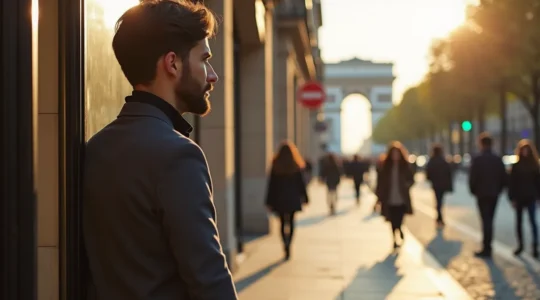
How to Shop on the Champs-Élysées Without Falling into a Tourist Trap?
In summary: Adopt a consultant’s mindset: audit menus, queues, and products for clear signals of quality versus tourist-focused traps. Apply…
Read more
How to Visit the Palais de Justice Without Being Summoned to Court?
Visiting Paris’s historic core successfully means understanding its dual role as both a tourist magnet and a center of state…
Read more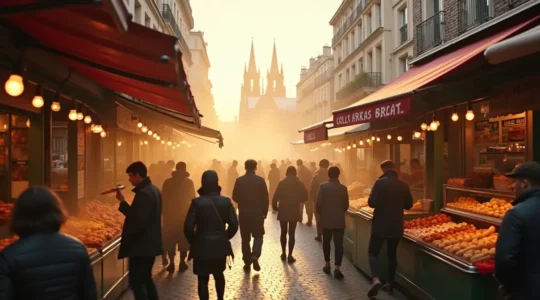
Why Belleville and Ménilmontant Are the Best Areas for Budget Foodies?
Belleville and Ménilmontant offer Paris’s best value for adventurous foodies not because they are just “cheap,” but because they are…
Read more
Is the Canal Saint-Martin the New Seine for Young Travelers?
In summary: Paris’s coolest spots are moving east, but navigating them requires insider knowledge on rules, safety, and pricing. Authenticity…
Read more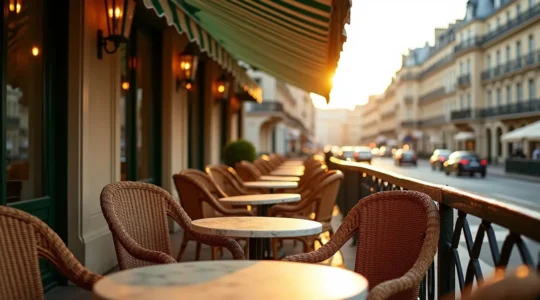
How to Experience the Existentialist Vibe of Saint-Germain Without Paying 10€ for Coffee
Contrary to popular belief, the spirit of Sartre and de Beauvoir is not found at the bottom of an overpriced…
Read more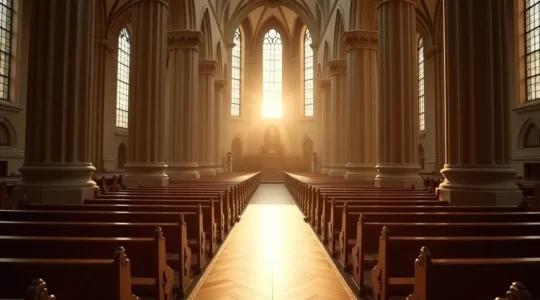
Where to Find English-Speaking Mass and Spiritual Solace in Paris?
In summary: Paris offers profound spiritual experiences for English speakers beyond just famous churches, including active monasteries and quiet chapels….
Read more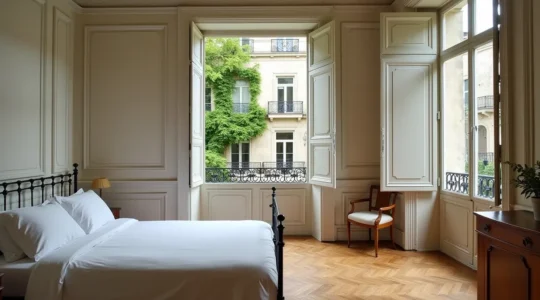
Rent or Hotel in the Marais? An Analyst’s Guide to Staying Under 200€/Night
The dream of an affordable Marais rental often ignores the hidden costs in comfort, convenience, and even legal fines that…
Read more