Walks and discoveries
Walking through a city reveals far more than any guidebook can capture. In France, where urban design prioritizes pedestrians and public spaces invite lingering, the act of discovery on foot becomes an art form in itself. From the gas-lit alleys of historic neighborhoods to the broad tree-lined avenues designed during Haussmann’s transformation of Paris, each stride offers an opportunity to decode the layered stories embedded in architecture, green spaces, and the rhythms of daily life.
This comprehensive resource introduces you to the essential dimensions of meaningful urban exploration in French cities. Whether you’re navigating illuminated routes after sunset, tracing the brushstrokes of Impressionist masters to their original locations, or understanding the unwritten rules that govern park chairs and riverbank picnics, you’ll gain the practical knowledge and cultural context needed to transform ordinary walks into rich, multi-sensory experiences.
After-Dark Exploration in French Cities
Urban exploration doesn’t end when daylight fades. French cities, particularly Paris, have cultivated a distinctive nocturnal identity where architectural illumination transforms familiar landmarks into theatrical displays. Understanding how to safely and effectively navigate these after-hours environments requires specific logistical knowledge.
Transportation Networks for Late-Night Movement
The Noctilien bus network operates throughout the Île-de-France region when metro services cease, typically between 12:30 AM and 5:30 AM. These night buses follow major arterial routes marked with distinctive yellow signage and two-digit numbers prefixed by “N.” Unlike daytime services, Noctilien stops are less frequent, requiring careful planning around specific intersection points. For routes not covered by night buses, taxi services and ride-sharing platforms provide alternatives, though costs increase significantly during peak weekend hours.
Selecting Routes for Photography and Safety
Not all illuminated routes offer equal photographic or safety value. The banks of the Seine benefit from continuous public lighting and pedestrian traffic even late at night, making them ideal for extended walks. In contrast, residential areas in the outer arrondissements may experience reduced lighting intensity due to energy conservation policies implemented by municipal authorities. Streets with commercial activity—boulangeries preparing morning bread, late-night bistros—naturally provide both ambient light and the reassuring presence of other people.
Recognizing and Avoiding Tourist Exploitation
Establishments that remain open exceptionally late often charge premium prices justified by convenience rather than quality. A café near major landmarks that serves espresso at €6 after midnight targets exhausted tourists rather than informed locals. Genuine late-night dining culture in France centers around specific neighborhoods known for their restaurant density, where competition keeps prices reasonable even during unconventional hours.
Following Impressionist Footsteps
The Impressionist movement didn’t emerge from studios alone—it was fundamentally rooted in outdoor observation and the capture of changing light conditions. Retracing these artistic explorations adds intellectual depth to physical walks through French landscapes.
Day Excursions to Giverny
Claude Monet’s gardens in Giverny, located approximately 80 kilometers northwest of Paris, represent the culmination of the artist’s obsession with natural light and water. The journey itself—whether by regional train to Vernon followed by a shuttle bus, or by direct coach—takes roughly 90 minutes. The gardens operate seasonally, and timing your visit for mid-morning allows you to experience the water lily pond under similar conditions that Monet painted, before afternoon crowds alter the contemplative atmosphere.
Urban Painting Locations and Museum Collections
Beyond major institutions like the Musée d’Orsay, smaller dedicated museums offer concentrated insights into specific artists. The Musée Marmottan Monet houses the painting that inadvertently named the entire movement, while the Musée de l’Orangerie presents Monet’s monumental water lily panels in purpose-built oval rooms designed to his specifications. Understanding the original locations where these works were conceived—Argenteuil’s riverbanks, the Gare Saint-Lazare’s steam-filled platforms—transforms abstract appreciation into grounded comprehension.
Authenticating Artwork and Avoiding Reproductions
Street vendors near tourist sites frequently sell prints marketed as “original lithographs” or “limited editions.” Genuine Impressionist works reside exclusively in authenticated collections, museums, or registered galleries. Any artwork sold on the street, regardless of presented certificates, represents mass-produced reproduction. If you wish to purchase quality reproductions, museum shops offer officially licensed prints with proper attribution and archival materials.
Elevated Viewpoints and Panoramic Perspectives
Vertical exploration complements horizontal walking, offering comprehensive understanding of urban geography and architectural relationships that remain invisible at street level.
Accessible Rooftop Viewing Platforms
Several department stores provide free rooftop access without the queues and admission fees associated with purpose-built observation decks. The terraces atop Galeries Lafayette and Printemps Haussmann offer 360-degree views encompassing the Opéra Garnier, Sacré-Cœur, and the Eiffel Tower. Access requires navigating through retail floors, but no purchase obligation exists. These spaces function as genuine public amenities within private commercial buildings.
Timing Considerations for Optimal Light
Sunset timing in Paris varies dramatically across seasons, from approximately 5:00 PM in winter to nearly 10:00 PM during summer months. The golden hour—the period shortly before sunset when light turns warm and shadows lengthen—creates ideal photographic conditions but also represents peak visitation times at popular viewpoints. Arriving 45 minutes before sunset typically allows you to secure positioning before crowds accumulate.
Weather Impact and Alternative Planning
Overcast conditions, while disappointing for sunset viewing, create even diffused light that reduces harsh shadows and reveals architectural detail often lost in bright sunshine. Light rain actually enhances certain experiences—wet cobblestones reflect surrounding lights, and reduced visitor numbers allow more intimate engagement with spaces normally crowded. Fog, though rare, transforms elevated viewpoints into atmospheric experiences where familiar landmarks emerge and disappear like staged revelations.
River-Based Discovery and Urban Waterways
The Seine functions simultaneously as transportation corridor, recreational amenity, and organizing principle for Parisian geography. Understanding its multiple roles deepens appreciation for the city’s spatial logic.
Cruise Experiences and Timing Strategies
River cruises vary significantly in ambiance depending on timing and operator. Daytime cruises emphasize architectural commentary and historical context, while evening departures focus on illuminated monuments and typically include dining options. The distinction between tourist-oriented operations and the Batobus—a hop-on, hop-off water shuttle serving nine stops—matters considerably. Batobus functions as legitimate transport, allowing you to combine sightseeing with practical movement between districts.
Bridge Architecture and Historical Context
Paris’s 37 bridges each reflect the engineering aesthetics and political priorities of their construction era. The Pont Neuf, despite its name meaning “new bridge,” dates to the early 17th century and was revolutionary for including sidewalks separating pedestrians from horse traffic. The Passerelle Debilly, a temporary footbridge built for the 1900 Exposition Universelle, remains functional over a century later. Understanding these layers transforms bridges from mere crossing points into chronological markers of urban development.
Seasonal Flood Cycles and Safety Awareness
The Seine experiences periodic flooding, monitored through the Zouave statue on the Pont de l’Alma—a traditional visual reference point for water levels. When the Seine rises significantly, lower riverside walkways (the berges) close for safety, and certain river transport services suspend operations. These events, while disruptive, occur within predictable seasonal patterns typically associated with sustained winter rainfall and spring snowmelt from the river’s upstream watershed.
Parks, Gardens and Green Spaces
Parisian parks operate according to specific cultural codes and practical regulations that may surprise visitors unfamiliar with French public space conventions.
Picnic Culture and Unwritten Rules
Unlike Anglo-American park traditions that allow sitting directly on grass, many Parisian gardens designate specific lawn access areas while protecting others for visual aesthetics. The famous green metal chairs scattered throughout Luxembourg Gardens and Tuileries represent moveable seating designed by park authorities—you’re expected to reposition them as needed rather than accept their current placement. This flexibility represents intentional design philosophy valuing individual comfort over fixed arrangements.
Closure Schedules and Seasonal Variations
Parks maintain varying closure times synchronized with daylight hours, posted at entrance gates. Summer evening hours may extend to 9:30 PM or later, while winter closures occur as early as 5:00 PM. Guards circulate approximately 30 minutes before official closure time, verbally notifying visitors. This graduated warning system prevents abrupt expulsion but requires attention to verbal announcements that may be delivered in French without translation.
Safety Considerations for Solo Visitors
Major parks benefit from regular security patrols and substantial daytime populations that create natural surveillance. However, isolated areas near park perimeters, particularly during early morning or approaching closure, receive less foot traffic. Solo visitors should gravitate toward central areas near fountains, playgrounds, or cafés where concentrations of families and regular park users create inherently safer environments.
Pet Policies and Drinking Water Access
Dogs are permitted in most Parisian parks but must remain leashed, with specific areas designated as dog-friendly zones. Dedicated dog parks (espaces canins) allow off-leash activity within fenced enclosures. Free drinking water fountains, marked as “eau potable,” appear throughout major parks, identifiable by their distinctive green Wallace fountain designs or modern stainless steel posts. These sources provide safe drinking water for both humans and pets.
Active Recreation and Family-Friendly Activities
French cities increasingly accommodate active lifestyles through dedicated infrastructure and seasonal programming that transforms public spaces into recreational venues.
Riverside Fitness Infrastructure
The berges de Seine—converted riverbank roadways now restricted to pedestrian and cycling use—feature public fitness equipment at regular intervals. These installations include pull-up bars, abdominal benches, and stretching stations designed for outdoor calisthenics. Unlike commercial gyms, these facilities operate without supervision, requiring users to assess their own capacity and technique.
Children’s Play Areas and Seasonal Events
Playgrounds in French parks typically separate age groups with distinct equipment zones for toddlers (0-3 years), young children (3-8 years), and older children. Summer months bring temporary installations—inflatable structures, trampolines, and educational workshops—often requiring advance registration through municipal websites. The Paris Plages program transforms riverside areas into temporary beaches complete with sand, lounge chairs, and organized activities, demonstrating how seasonal programming reimagines permanent infrastructure.
Practical Amenities and Visitor Services
Locating free public toilets significantly impacts the feasibility of extended walking itineraries. The automated Sanisette booths found throughout Paris provide no-cost facilities that self-clean between uses. Parks contain additional toilet facilities, though quality varies considerably. Major gardens like Luxembourg and Tuileries maintain attended facilities with higher cleanliness standards. Mobile applications now map public toilet locations, removing the stress of searching during urgent needs.
The walks and discoveries you’ll experience in French cities extend far beyond mere sightseeing—they represent immersion into carefully designed public realms where history, culture, and daily life interweave. By understanding the practical logistics, cultural expectations, and hidden layers of meaning embedded in urban spaces, you transform from passive observer into engaged participant. Each neighborhood reveals its character gradually, rewarding those who approach exploration with patience, curiosity, and respect for local customs.
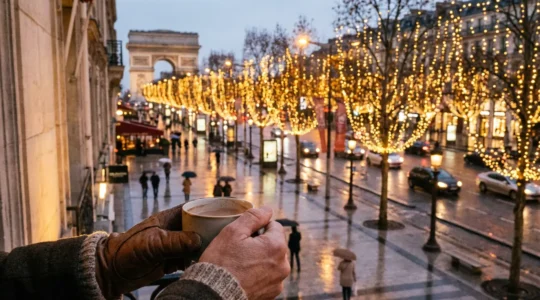
Admire the magic of the streets of Paris illuminated for Christmas
I still remember the first time I saw the Champs Elysées from above at Christmas. My feet were frozen after…
Read more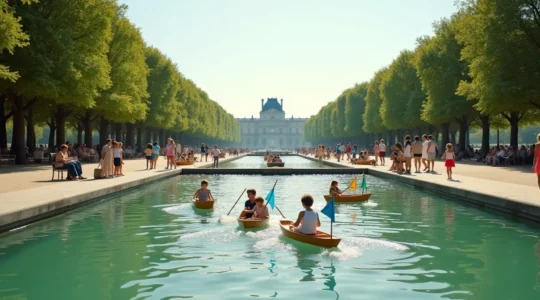
How to Keep Kids Entertained in the Tuileries Without Spending a Fortune?
In summary: The Tuileries Garden is a strategic “decompression zone” to manage museum fatigue, not just a park. Focus on…
Read more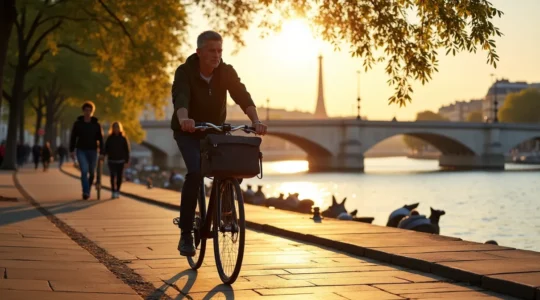
How to Cycle the Rives de Seine Without Colliding with Pedestrians?
The key to a collision-free ride on the Seine isn’t just slowing down, but mastering ‘predictive defensive cycling’. Anticipate the…
Read more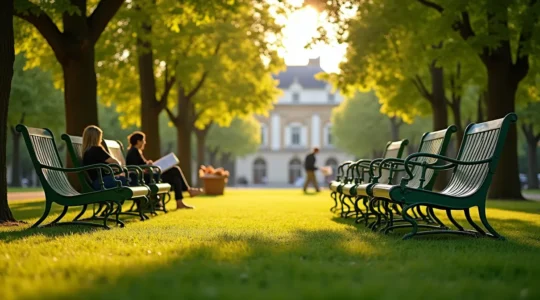
Can You Sit on the Grass in Parisian Parks? A Ranger’s Guide to Buttes-Chaumont, Luxembourg, and Beyond
The biggest mistake visitors make in Parisian parks isn’t breaking the rules, but failing to understand the unwritten social contract…
Read more
Batobus or Bateaux-Mouches: Which River Cruise Suits Your Travel Style?
Choosing between Batobus and Bateaux-Mouches is a strategic itinerary decision, not just a simple preference. Bateaux-Mouches offer a curated, one-off…
Read more
Montparnasse Tower vs. Eiffel Tower: Which Deck Offers the Best Value for Money?
For the best value view in Paris, the real competition isn’t between the Eiffel Tower and Montparnasse Tower, but between…
Read more
Beyond the Frame: Tracing the True Footsteps of Monet and Renoir in France
To truly understand Impressionism, you must step out of the museum and into the light that inspired it. The key…
Read more
Paris After 10 PM: Your Guide to Exploring the City of Lights Safely and Efficiently
In summary: Prioritize official transport like Noctilien buses or G7 taxis over rideshares for late-night returns, leveraging their built-in security…
Read more